
Very Close To The Truth
But I don't think it's gonna make much sense

The first time I laid hands on The Creative Act: A Way Of Being, was in the book shop at Hauser & Wirth Somerset. I picked up Rick Rubin’s indispensable artist’s bible and randomly thumbed through to what has become my favourite chapter - Success (page 219).
Success has nothing to do with variables outside yourself… Most variables are completely out of our control. The only ones we can control are doing our best work, sharing it, starting the next, and not looking back.
It was precisely the thing I needed to hear at that moment in time. Nature Will Take Care Of You had recently come out. The day the lead single, Great Fools, dropped was the same day the Queen died. We had high hopes for it doing well on radio, but in respect for the Monarch, all stations were closed for a week; cue Operation London Bridge. At the time, it felt like watching two years of work corkscrew down the plug hole. Now, having read this book cover to cover several times, Success is the chapter I regularly return to, especially when feeling shit about business. Rick’s words have that wonderful quality of telling you things that deep down you already know. Which is comforting, because it reassures you that you’re on the right track, and gives you permission to follow those intuitions. I like to read a chapter every day as part of my morning routine, to keep my mind focussed on what’s really important.
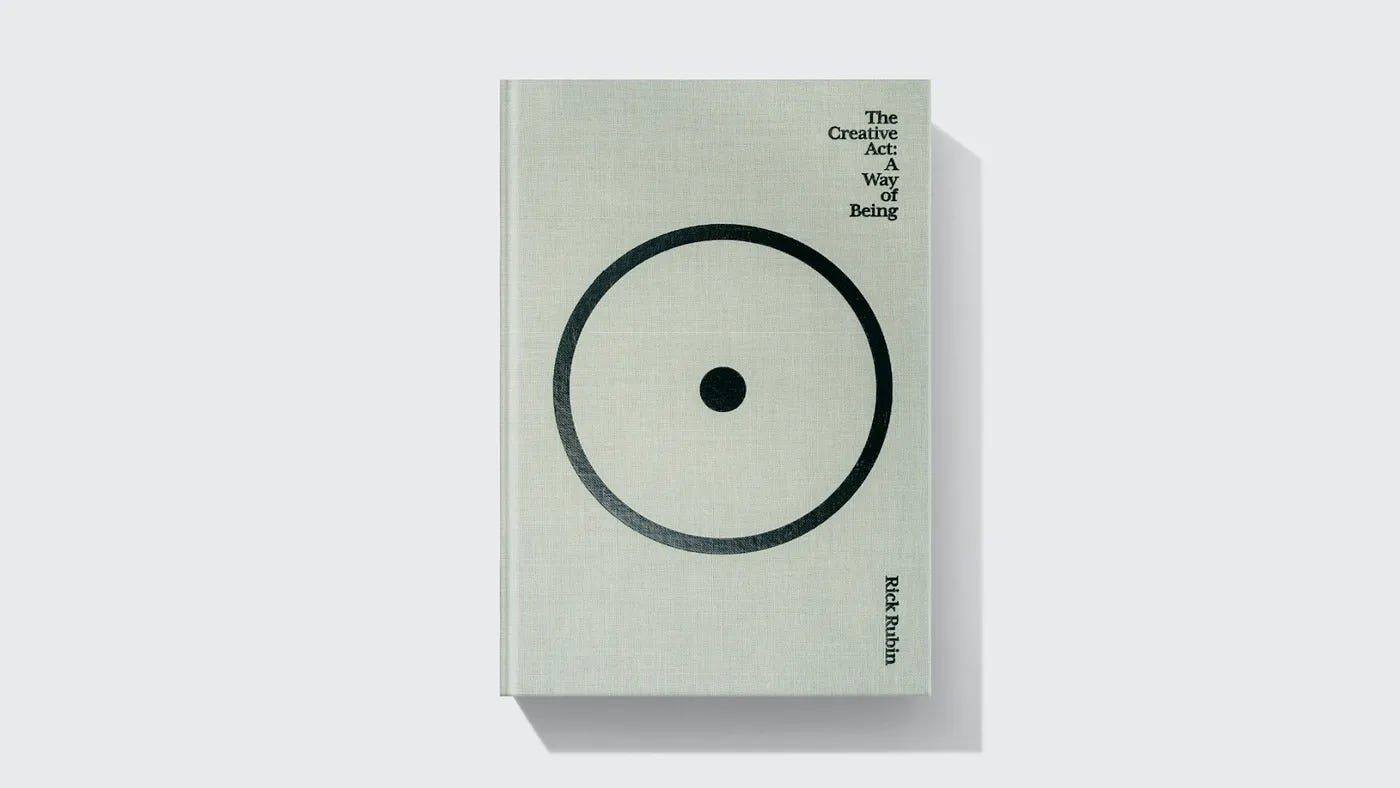
I think artists must fiercely protect personal ideas of success, because our creative lives really do depend on this. It’s almost impossible not to get drawn into ideas of popular success, and by extension monetary success. Ever since the advent of agriculture, humans have had a nasty impulse to attach monetary value onto absolutely everything; especially rare and beautiful things like art, that really have no business being currency. Whereas hunter gather’s knew they could move onto new pastures when supplies began to dwindle, Farmer’s stuck with their lot became greedy, driven by a fear of lack. Apart from our chosen palette and tools, all we need is time and space. Sometimes spending days / months / years seemingly doing nothing but thinking, can be entirely productive in bringing work to fruition. It’s a most awful affliction to feel like a failure if you’re not visibly productive all of the time. But not everything of worth can be seen or heard. We must try not to fall into the trap of churning out base-level, low value work, just to satisfy our need to feel productive, for I fear this may come at the expense of truly valuable work.
Nish Kumar talks about this process of time on the podcast 101 Part Time Jobs with Giles Bidder (highly recommend road fodder).
“If you’re wondering why bands are all posh, it’s literally because the apprenticeship in most art forms is unpaid… We don’t talk enough about the systemic conditions in the kind of post-war period, that allowed four working class boys from Liverpool to go to art school so they had two years to experiment. And again, that state investment they have got back a trillion times over. Like the fucking Beatles have put more money into this country than so many CEOs of multinational companies.”
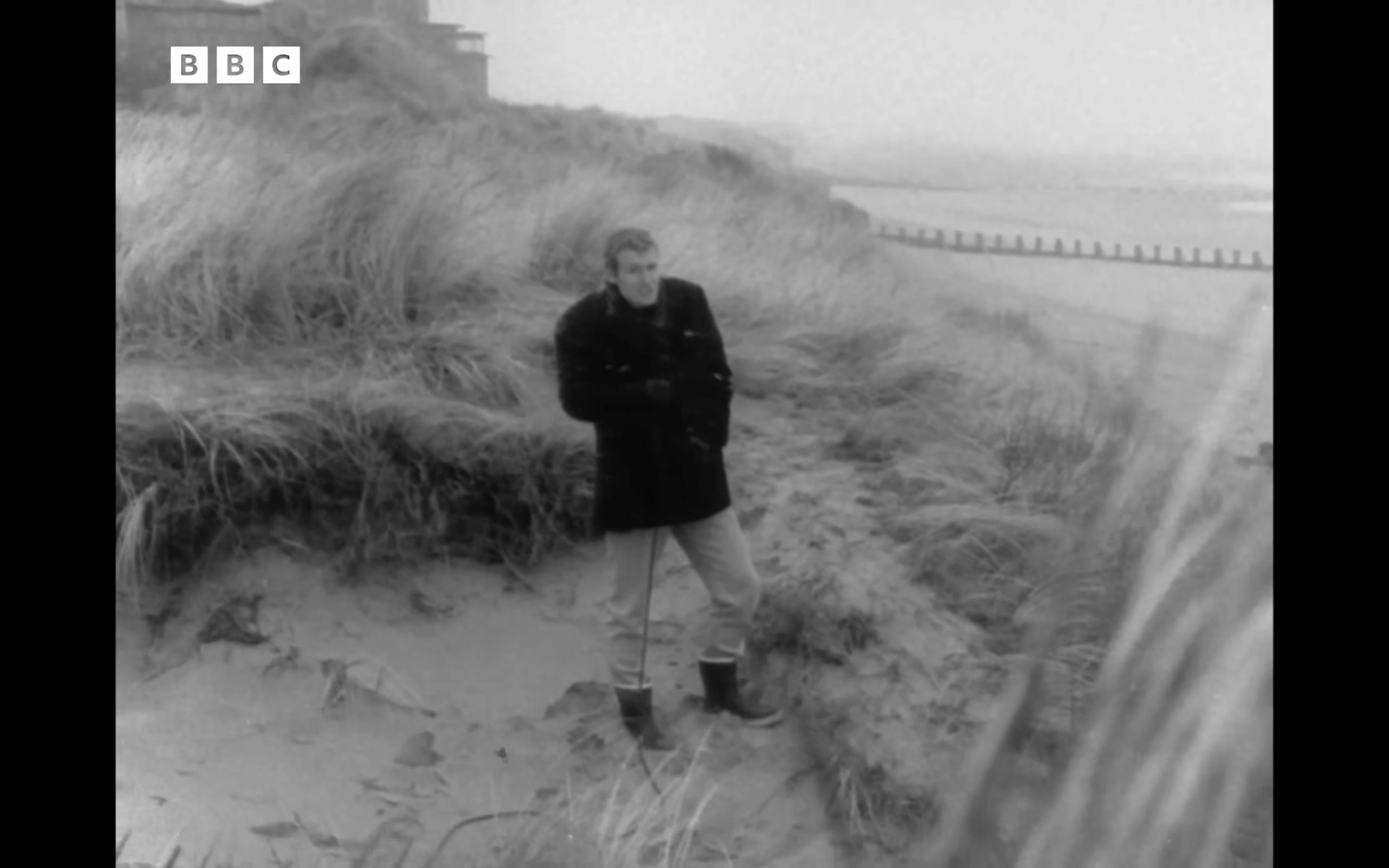
On halloween, my partner and I binged a load of BBC archive footage on Youtube. We came across a lovely little piece entitled 1962: The People Who Live on Spurn Point, during which the reporter Julian Pettifer, spends time with the lifeboat men and their families who live on this remote and treacherous piece of land. Julian concludes, “Sociologists and Psychiatrists tell us that one of the problems we face in the future is the problem of leisure. How are people going to fill all their spare time as the working week gets shorter?” Cue laughter out loud.
Youtube’s algorithm graciously suggested another most insightful video this week. David Foster Wallace on Reading, Consumerism and American Politics. The interviewer begins by remarking that, “In Germany we have this TV, literary expert and we call him the literary Pope. People think he has a very good view of everything and when he says the book is good, the book is good… What he doesn’t want is a book to be boring, by no means boring. And at the same time, he really understands a lot about books and he really is a good reader, but by saying all the time, things are not supposed to be boring, I think that’s really a mistake. I feel sometimes I also have this feeling that I don’t want to be bored, but on the other side I see that it’s not the option.”
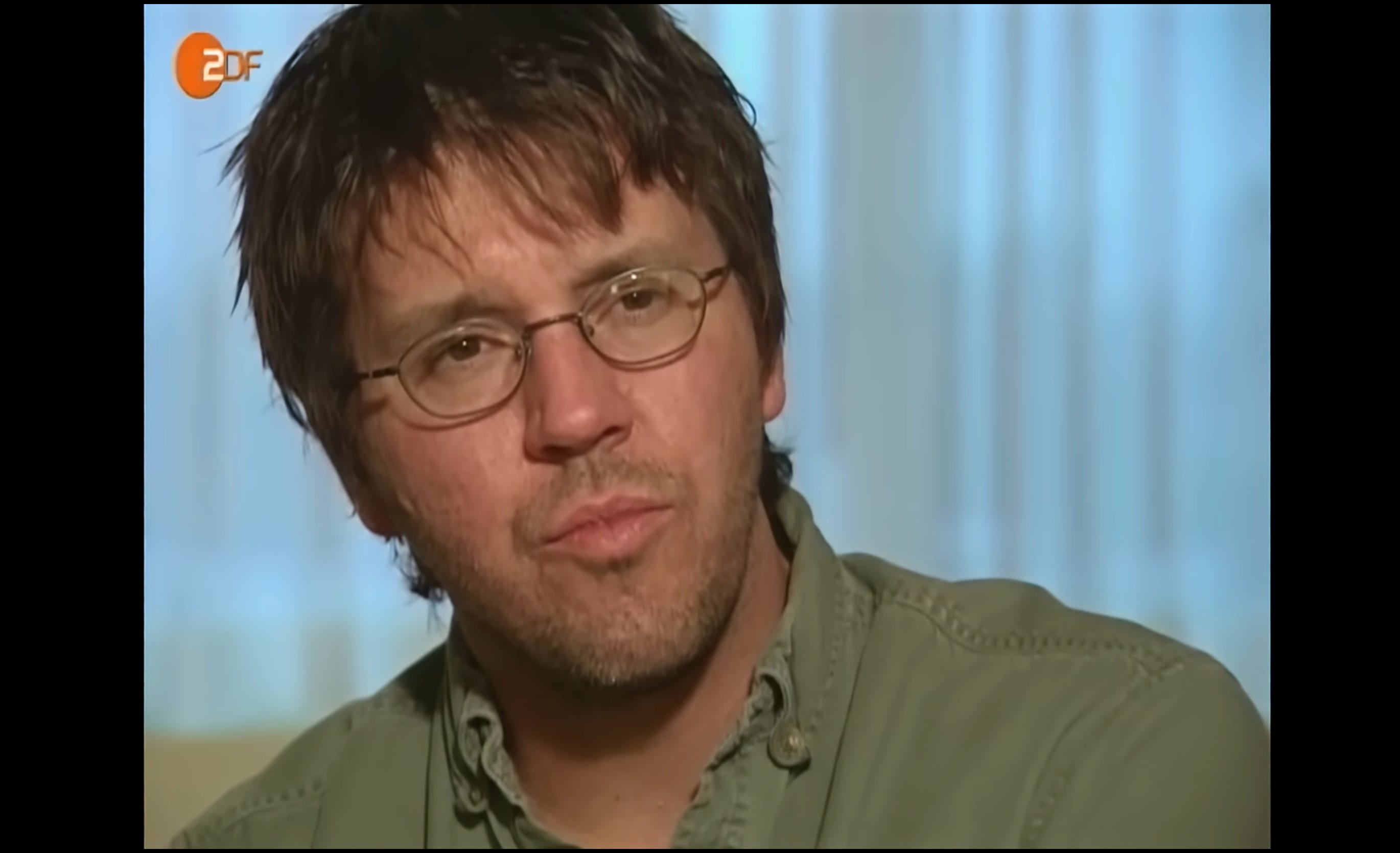
I’ve transcribed most of David’s response below, because it appears to me he smashed that nail right on the head (and drove it deep into the substrate).
Reading requires sitting alone by yourself in a quiet room. I have friends, intelligent friends, who don’t like to read because they get, it’s not just bored, there’s an almost dread that comes up I think, about having to be alone and about having to be quiet, and you see that when you walk into most public spaces in America, it isn’t quiet anymore, they pipe music through. The music is easy to make fun of because it’s usually really horrible music, but it seems significant that we don’t want things to be quiet ever anymore. I don’t know if I could defend it, but that seems to me to have something to do with when you feel like the purpose of your life is to gratify yourself and get things for yourself and go all the time. There’s this other part of you, that’s the same part that is almost hungry for silence and quiet, and thinking really hard about the same thing for maybe half an hour instead of thirty seconds, that doesn’t get fed at all. And it makes itself felt in the body as a kind of dread.
…
Here in the US, every year the culture gets more and more hostile. It becomes more and more difficult to ask people to read, or to look at a piece of art for an hour, or to listen to a piece of music that’s complicated and that takes work to understand because, well there are a lot of reasons, but particularly now in the internet culture everything is so fast, and the faster things go, the more we feed that part of ourselves, but don’t feed the part of ourselves that likes quiet.
He goes on to discuss how being grown up isn’t always a lot of fun, and you often have to do things you don’t want to do.
The allure of entertainment and drugs is escape.
…
If you’re talking about the more general allure of drugs to the extent that I understand it, which is about as specifically as I’m gonna talk about it, it seems to me to be (and this isn’t a very original thing to say), it’s a pretty natural extension of corporate capitalist logic. Which is: “I wanna feel exactly the way I wanna feel, which is good, for exactly this long, and so I will exchange a certain amount of cash for this substance, and I will do it.” But it’s all of course a lie because the control gradually goes away, and it stops being that I want to do it, and becomes that I feel I need to do it, and that shift from I want something, to I feel I need it, is a big one. Most of the problems in my life have to do with my confusing what I want and what I need. One of the things it causes is tension and unhappiness in people. The paradox is, that sort of tension and complication and conflict in people also makes them very easy to market to, because I can say to you: “Feeling uneasy? Life feels empty? Well here’s something you can buy or something you can go do.” The economics term is ‘Inelasticity of Demand’ - “I demand all the time, no matter what the price of it is.” It works really well in an economic way. Emotionally, spiritually, in terms of citizenship, in terms of feeling like a meaningful part of this country, forget the world?!
…
No one here is talking about the connection between how we live, and what we drive, and the things that are happening. The speed with which it’s become “Those bad people, those bad fanatics, they’re evil, what they really hate is our freedom and our way of life”, which is just hard to swallow right? Like who hates freedom?! People hate people, not freedom!
…
I’m more scared of us, than I am of anybody else.
…
I don’t think this is an evil country, I don’t think American people are evil. I think we’ve had it very easy materially for a long time, and we’ve gotten very little help in understanding things that are important besides being comfortable, and I don’t think anybody knows how we will react if things get really hard here. The fact that we’re strong militarily and economically is a good thing, but it’s also a frightening thing.
…
The people I know who are rebelling meaningfully don’t buy a lot of stuff, and don’t get their view of the world from television, and are willing to spend four or five hours researching an election, rather than going by commercials. The thing about it is that in America we think of rebellion as this very sexy thing that involves action and force and looks good. My guess is the forms of rebellion that will end up changing anything meaningfully here will be very quiet and very individual and probably not all that interesting to look at from the outside. I’m now hoping for less interesting rather than more interesting. Violence is interesting, and horrible corruption and scandals, and rattling sabres and talking about war, and demonising a billion people of a different faith in the world - those are all interesting. Sitting in a chair and really thinking about what this means, why the fact that what I drive might have something to do with how people in other parts of the world feel about me, isn’t interesting to anybody else. That was very close to the truth, but I don’t think it’s gonna make much sense.
Well David, I think you made a lot of sense. In other news, LV:HRD, the second instalment of Run Logan Run’s new Prey / LV /Ears trilogy of EPs is out today.
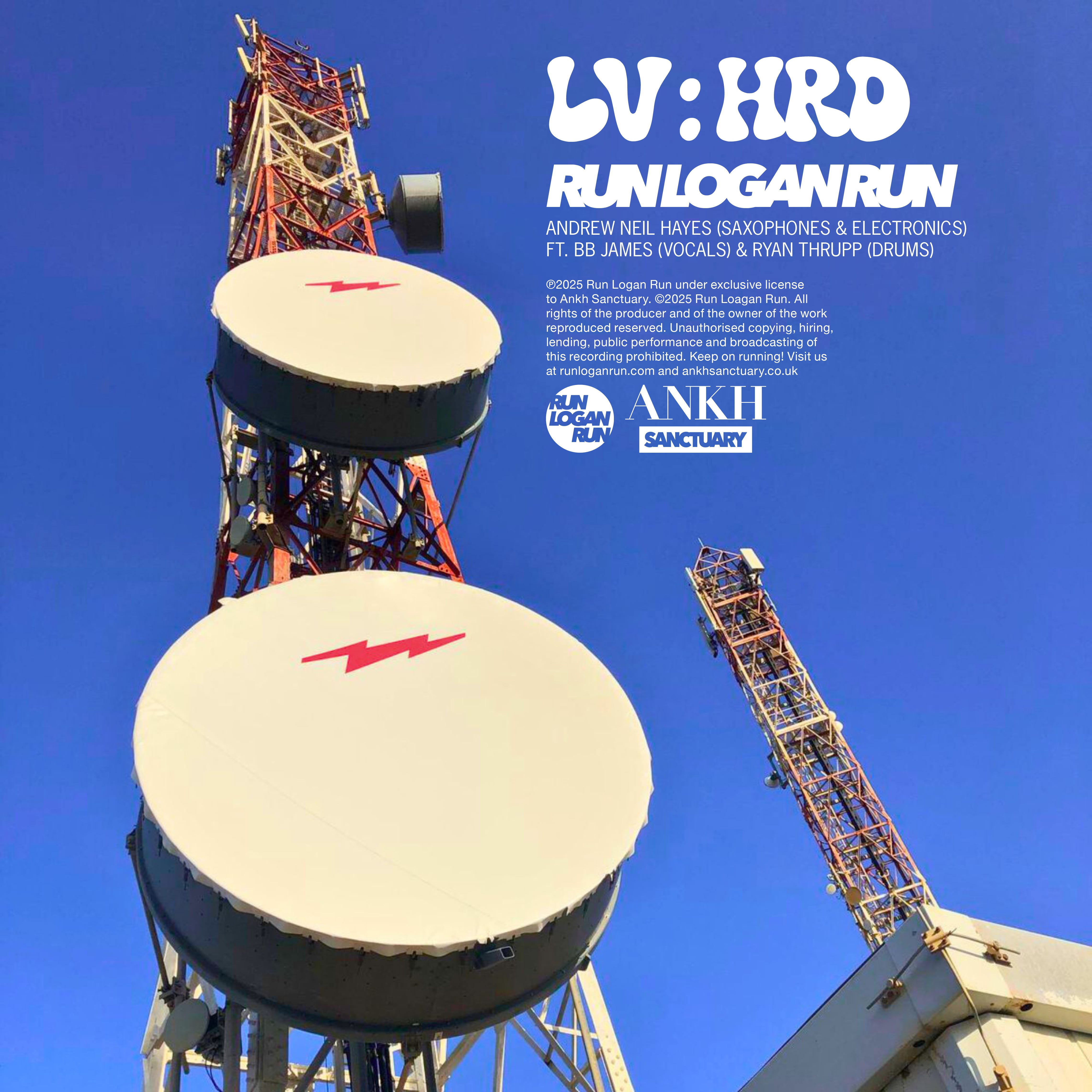
Run Logan Run built its reputation off the back of intense live shows, but chasing that energy and being able to turn it on and off on demand was takings its toll. I was desperate for time and space to create new sounds, free from the restraint of expectation. From the beginning, the project was set up as a vehicle to do #wotevathefukwewanted. Experimentation has always been at the core of my music making process and Prey/LV/Ears is the next evolution of this. I was waiting for the opportunity to partner up with BB.JAMES and Jonathan Wolf my entire life. We’ve been lifelong friends, but for various reasons the right moment to collaborate only just materialised. I also roped in Bristol’s busiest drummer, Ryan Thrupp. We spent a lot of time messing about in the studio, making strange noises, chatting shit, having a laugh basically. Trying to shed the pretence of past excursions.
LV:HRD refers to those fucked up moments in your life where people you love are fatally ill and all you can do is love them through all the grief and pain and anger. It also touches on the difficult practice of trying to love your enemies. I decided to release the album as 3 EPs because I knew it would be easier to drag myself back into the public ears that way, to commit in small steps. I’ve realised I need to make the practical parts of the project as simple as possible, so I can worry about making the creative aspects as deep as I need them to be. A special mention must also go to Adam Barringer of Skew Note, who initially convinced me to get back in the studio and also contributed his amazing graphic design talents to the project.
I’m aware that I initially stated I was going to release new writings on this Substack every Monday, and it’s now Friday and over three weeks since the last post. So much has happened that I could continue writing about The Funktion; Gianan and Hayes; living; illness; dying; a slow and steady decline; a gracious acceptance. But I shall endeavour to write again next week and tackle some of those topics then. If you’ve got to the end of today’s writing, I congratulate you.
Recommended:
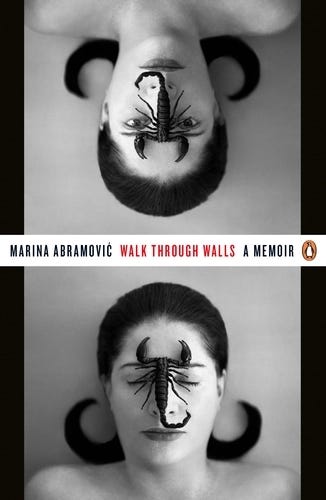
Marina Abramović - Walk Through Walls: A Memoir
I’m only half way through, but this book offers an honest and fascinating insight into one of the most influential living artists. Her singular devotion to the cause is breathtaking.
Current and forthcoming works:
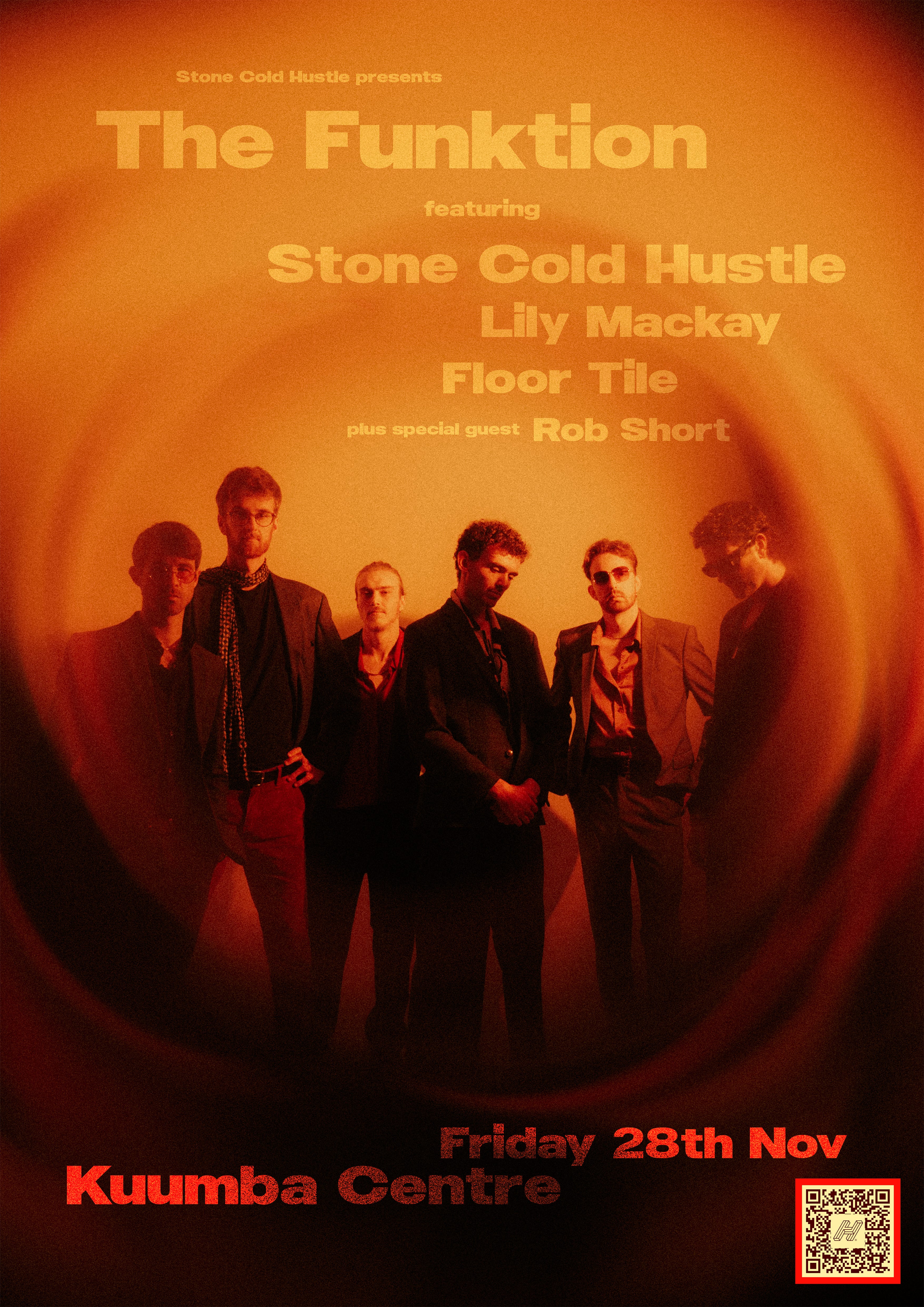
Stone Cold Hustle - The Funktion
Bringing the warmth just in time for winter, STONE COLD HUSTLE presents a night of funk, soul, rare-groove and disco.
Featuring support from rising star LILY MACKAY, singing songs from the heart with a blend of Alt-RnB and Neo-soul, and very special guest compère ROB SHORT (Cleo Laine, George Ezra).
We’ve also got FLOOR TILE bringing a trusty selection of disco records from near and far, known and unknown, old and new, good and bad.
We’ll be transforming THE KUUMBA CENTRE with candle lit tables, space to dance, and nothing but good vibrations all night long, with vegan food and refreshment provided by Bingyi Empress. So dress nice if you like or come as you are, all welcome.
Grab a ticket here.
Run Logan Run - LV:HRD
The second instalment of the Prey / LV / Ears trilogy. Gilles Peterson has played tracks on both his Worldwide FM and BBC Radio 6 Music shows, and Skew Yew was selected as KCRW’s Today’s Top Tune. Listen here.